

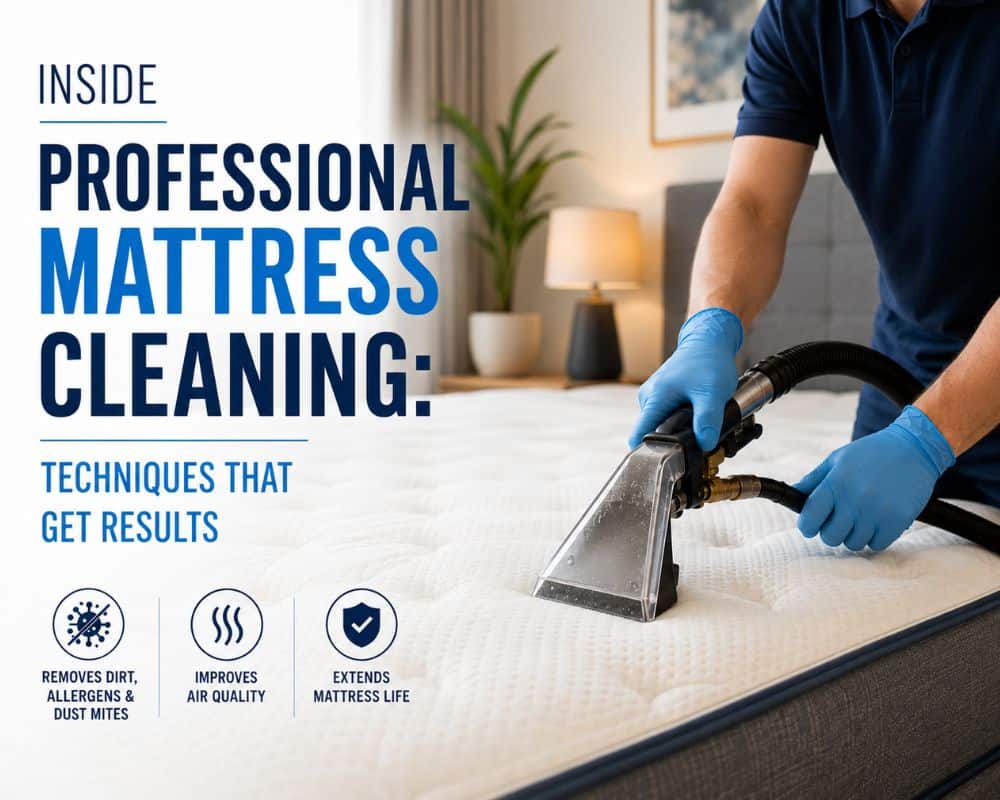
There’s a hidden ecosystem thriving in your mattress right now-dust mites, dead skin cells, and allergens accumulate regardless of how clean your bedroom appears. Professional mattress cleaning service deploys specialized equipment and proven methods that household vacuums and surface treatments simply cannot match. Understanding these techniques helps you make informed decisions about protecting your sleep environment and investment.
Key Takeaways:
- Professional mattress cleaning combines hot water extraction with specialized enzymatic solutions to eliminate dust mites, allergens, and bacteria that accumulate deep within mattress layers. This process typically removes 95-99% of common allergens, a level impossible to achieve with regular vacuuming or surface cleaning alone. The high-temperature steam penetrates several inches into the mattress core, killing microorganisms while the extraction equipment removes moisture to prevent mold growth.
- Certified technicians assess mattress composition before selecting cleaning methods, as memory foam, latex, and innerspring mattresses require different approaches to avoid structural damage. A memory foam mattress exposed to excessive moisture can develop permanent indentations, while innerspring models need targeted drying to prevent rust on coils. Professional equipment includes UV-C sanitizing wands, HEPA-filtered extraction systems, and pH-balanced cleaning agents that break down organic stains without leaving chemical residues.
- The investment in professional cleaning extends mattress lifespan by three to five years compared to untreated mattresses, which accumulate an average of two million dust mites after ten years of use. Biannual professional treatment maintains the warranty conditions many manufacturers require and addresses issues like body oil saturation, which degrades foam integrity and reduces support over time. Proper post-cleaning ventilation takes four to six hours, during which air circulation prevents moisture retention that could compromise the cleaning results.
Essential Types of Professional Cleaning Methods
Professional mattress cleaning encompasses several specialized approaches, each designed to address specific contamination levels and fabric types. Your mattress requires different treatments depending on the severity of staining, allergen buildup, and material composition. Service providers typically assess your mattress condition before selecting the most appropriate method.
- Steam cleaning and hot water extraction for deep sanitization
- Dry chemical treatments for moisture-sensitive materials
- UV light technology for pathogen elimination
- Enzyme-based solutions for organic stain removal
Any combination of these methods may be employed to achieve optimal results based on your mattress’s unique cleaning requirements.
| Cleaning Method | Primary Application |
| Hot Water Extraction | Deep soil and allergen removal |
| Dry Chemical Treatment | Memory foam and delicate materials |
| UV Sanitization | Bacterial and viral pathogen control |
| Enzyme Cleaning | Biological stain breakdown |
| Encapsulation | Quick-dry surface cleaning |
Steam Cleaning and Hot Water Extraction
High-temperature water injection penetrates deep into your mattress fibers, loosening embedded dirt, dust mites, and allergens. Powerful extraction equipment simultaneously removes the moisture along with contaminants, leaving minimal residual dampness. This method proves most effective for traditional innerspring and hybrid mattresses that can withstand moisture exposure.
Dry Chemical and UV Sanitization Techniques
Low-moisture chemical compounds bond with dirt particles without saturating your mattress, making them ideal for foam-based constructions. UV-C light exposure destroys microorganisms at the cellular level without introducing any liquids or chemicals. These approaches work particularly well for materials that cannot tolerate traditional wet cleaning methods.
Specialized dry cleaning solutions crystallize around soil particles, which technicians then vacuum away once the product has dried completely. UV sanitization equipment emits specific wavelengths that disrupt the DNA of bacteria, viruses, and dust mites, rendering them inactive. Your mattress benefits from this dual approach when dealing with sensitive materials like memory foam or latex that might degrade with excessive moisture. Technicians often combine both techniques in a single service appointment to maximize sanitation while protecting your mattress integrity.
Critical Factors Influencing Mattress Hygiene
Your mattress’s cleanliness depends on several interconnected variables that determine both the appropriate cleaning approach and frequency. Professional technicians assess these elements before selecting treatment protocols:
- Age and usage patterns of the mattress
- Environmental humidity and temperature conditions
- Presence of pets or multiple sleepers
- Existing stains, odors, or visible contamination
- Previous cleaning history and maintenance practices
Recognizing these variables allows professionals to customize their approach for optimal sanitation outcomes.
Material Composition and Fabric Sensitivity
Different mattress constructions require distinct cleaning methods to prevent damage. Memory foam reacts poorly to excessive moisture, while latex materials tolerate steam better than traditional innerspring models. Pillow-top surfaces with delicate quilting demand gentler extraction pressures than firm, tightly woven covers.
Severity of Allergen and Bio-burden Accumulation
Dust mites, dead skin cells, and microbial colonies accumulate at varying rates based on sleeper habits and environmental factors. Homes with higher humidity levels experience faster bacterial growth, while individuals with allergies require more frequent deep cleaning interventions.
Bio-burden levels intensify when mattresses go years without professional treatment. A typical mattress can harbor millions of dust mites producing allergenic waste particles that penetrate deep into foam layers and fiber padding. Pet dander compounds this issue, embedding proteins that standard vacuuming cannot remove. Professionals use specialized testing methods to measure contamination depth before determining whether surface cleaning suffices or whether deep extraction becomes necessary to restore hygienic conditions.
The Step-by-Step Professional Sanitization Process
Professional mattress sanitization follows a structured sequence designed to address contamination at multiple levels. Each phase targets specific concerns, from surface allergens to embedded bacteria, ensuring comprehensive treatment that restores both cleanliness and hygiene to your sleep surface.
| Phase | Purpose |
| Pre-Inspection | Identify stain types, fabric condition, and contamination zones |
| Targeted Pre-treatment | Break down protein-based and organic stains with enzyme solutions |
| Deep Extraction | Remove embedded dirt, allergens, and cleaning agents |
| Controlled Dehumidification | Accelerate drying to prevent mold and bacterial growth |
| Final Sanitization | Apply antimicrobial treatments and UV sterilization |
Pre-Inspection and Targeted Stain Pre-Treatment
Technicians begin by mapping your mattress for specific problem areas, noting discoloration patterns and moisture damage. Enzyme-based formulas are applied directly to biological stains, allowing proteins to break down before extraction begins. This preparation phase typically requires fifteen to thirty minutes of dwell time for optimal effectiveness.
Deep Extraction and Controlled Dehumidification
High-powered vacuum systems pull moisture and contaminants from deep within the mattress layers, removing up to ninety-five percent of applied cleaning solution. Industrial air movers positioned strategically around your mattress reduce drying time to three hours or less, preventing the damp conditions that encourage microbial growth.
Steam injection at temperatures exceeding 160 degrees Fahrenheit penetrates fabric barriers to kill dust mites and their eggs on contact. Technicians adjust suction pressure based on mattress construction, using lower settings for pillow-tops and memory foam to avoid structural damage. Moisture meters confirm internal dryness before moving to the final sanitization stage, ensuring no residual dampness remains trapped in foam or padding layers.
Expert Tips for Prolonging Mattress Longevity
Professionals recommend several strategies to extend your mattress lifespan beyond the standard seven to ten years. Regular vacuuming removes surface debris that accelerates fabric breakdown, while rotating your mattress every three months distributes wear evenly across all zones. Immediate spot treatment of spills prevents permanent staining and bacterial growth that compromise structural integrity. Thou shalt maintain consistent bedroom humidity between 30-50% to inhibit mold development and material degradation.
Effective Use of Protective Barriers and Encasements
Quality mattress protectors create an impermeable shield against moisture, allergens, and dust mites while remaining breathable enough for comfortable sleep. Encasements with zippered closures provide 360-degree coverage, trapping existing contaminants inside and blocking new ones from penetrating the surface. Washing these barriers monthly in hot water eliminates accumulated irritants without exposing the mattress itself to liquid damage.
Routine Maintenance and Deodorizing Strategies
Baking soda applications neutralize odors naturally when sprinkled across the surface and left for several hours before vacuuming. Opening windows during daylight hours allows UV rays to sanitize fabrics while fresh air circulation removes trapped moisture. Professional-grade enzyme cleaners target organic compounds that cause persistent smells without saturating the internal layers.
Seasonal deep cleaning schedules align with your professional service intervals, typically every six months for average households. Between professional visits, you can maintain freshness by stripping bedding weekly and allowing the bare mattress to air out for at least an hour. Steam cleaning attachments on vacuum units provide surface-level sanitization without the drying time required for wet extraction methods. Positioning your mattress in direct sunlight for two to three hours quarterly kills bacteria and reduces moisture content that feeds microbial growth.
Pros and Cons of Professional Intervention
Weighing the benefits against potential drawbacks helps you make an informed decision about hiring specialists. Professional cleaning delivers deep sanitation that DIY methods cannot match, yet involves financial investment and scheduling coordination that some households may find impractical.
| Pros | Cons |
| Removes allergens, dust mites, and bacteria at deeper levels | Service costs range from $100 to $300 per mattress |
| Industrial equipment extracts more moisture than home tools | Requires scheduling and technician access to your bedroom |
| Trained technicians identify fabric-specific cleaning needs | Drying time can extend from 4 to 12 hours |
| Extends mattress lifespan through proper maintenance | May need to arrange temporary sleeping alternatives |
| Eliminates stubborn stains and odors effectively | Not all services offer same-day availability |
| Prevents warranty violations from improper cleaning | Quality varies significantly between providers |
| Saves time compared to manual scrubbing methods | Some companies use harsh chemicals despite green claims |
| Reduces health risks for asthma and allergy sufferers | Results depend on original mattress condition and age |
Advantages of Industrial-Grade Equipment and Expertise
Professional technicians operate truck-mounted extraction systems that generate heat levels and suction power unattainable with rental machines. Their training covers fabric composition, stain chemistry, and moisture control techniques that prevent mold growth while achieving sanitization standards you cannot replicate at home.
Considerations Regarding Service Costs and Drying Times
Service fees reflect equipment investment, technician expertise, and operational expenses that companies must recoup. Drying duration depends on extraction efficiency, room ventilation, humidity levels, and mattress thickness, with some materials requiring extended air circulation before safe use.
Pricing structures vary based on mattress size, stain severity, and geographic location. Queen-sized mattresses typically cost less than king or California king models, while heavily soiled surfaces requiring pre-treatment or multiple passes increase the final bill. Technicians using hot water extraction methods leave mattresses damper than low-moisture encapsulation techniques, though the former achieves deeper penetration. Your bedroom’s airflow conditions directly affect evaporation rates, with well-ventilated spaces and dehumidifiers accelerating the process. Sleeping on a partially damp mattress invites mold colonization and material degradation, making patience during the drying phase imperative for protecting your investment and health.
Conclusion
Professional mattress cleaning combines hot water extraction, steam sanitization, and UV treatment to eliminate allergens, bacteria, and stains that household methods cannot reach. You gain healthier sleep environments through techniques that penetrate deep into mattress layers, removing dust mites and odor-causing bacteria while preserving fabric integrity. Trained technicians assess your mattress type and condition to select appropriate methods, ensuring thorough results without damage or excessive moisture retention.
Frequently Asked Questions (FAQ)
How often should I schedule professional mattress cleaning services?
Most sleep hygiene experts recommend professional mattress cleaning every 6 to 12 months for standard household use. Families with young children, pets, or allergy sufferers benefit from quarterly treatments. The frequency depends on several factors including whether anyone in the household has asthma or skin sensitivities, the presence of pets that sleep on beds, and climate conditions that promote dust mite proliferation. Mattresses in guest rooms or rarely used spaces can extend intervals to 18 months, while those in master bedrooms with daily use require more frequent attention. Visible staining, persistent odors, or increased allergy symptoms signal the need for immediate professional intervention regardless of the last cleaning date. Hotels and medical facilities typically maintain monthly or bi-monthly schedules to meet health code requirements and ensure guest safety.
What’s the difference between steam cleaning and hot water extraction for mattresses?
Steam cleaning uses vaporized water at temperatures exceeding 200°F applied directly to the mattress surface, killing bacteria and dust mites on contact without saturating the inner layers. Hot water extraction injects heated water mixed with cleaning solution deep into the mattress core, then immediately vacuums it back out along with dissolved contaminants. Steam cleaning dries faster (typically 2-4 hours) and works well for routine maintenance and sanitization, making it suitable for memory foam and latex mattresses that cannot tolerate excessive moisture. Hot water extraction penetrates deeper to remove embedded dirt, bodily fluids, and allergens from innerspring and hybrid mattresses, though drying time extends to 6-8 hours. Professional services often combine both methods: hot water extraction for heavily soiled areas followed by steam sanitization across the entire surface. The choice between techniques depends on mattress construction, the severity of contamination, and available drying time before the bed must return to service.
Can professional cleaning remove all types of mattress stains?
Professional techniques successfully eliminate most common stains including sweat, urine, blood, and beverage spills, but results vary based on stain age and mattress material. Fresh protein-based stains (blood, vomit) respond well to enzymatic cleaners that break down organic matter at the molecular level. Set-in stains older than several months may lighten considerably but rarely disappear completely, particularly on light-colored fabrics where discoloration has bonded with fibers. Ink, permanent marker, and certain dyes present the greatest challenge and may require specialized solvents that some mattress warranties prohibit. Professionals assess each stain individually, testing cleaning agents on inconspicuous areas before full application to prevent fabric damage or color bleeding. Mattresses with waterproof or quilted covers show better stain removal outcomes than those with thin ticking that allows liquids to penetrate quickly into foam or padding layers. Setting realistic expectations during the initial inspection prevents disappointment, as complete stain removal cannot be guaranteed on older mattresses with years of accumulated discoloration.

